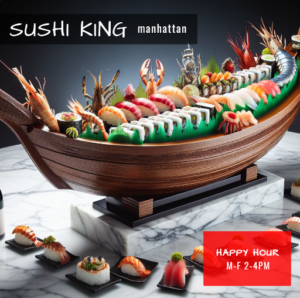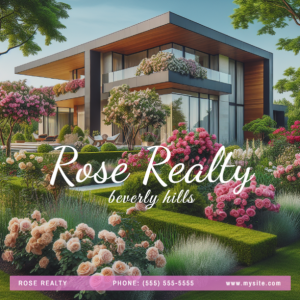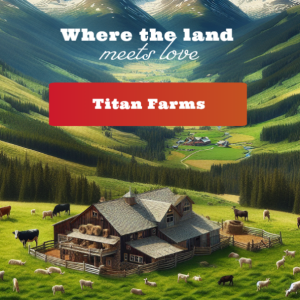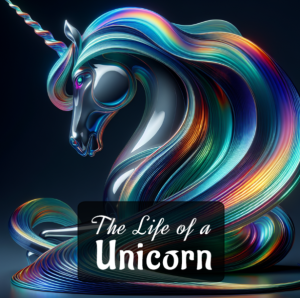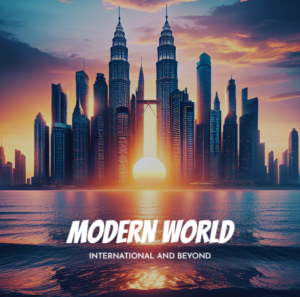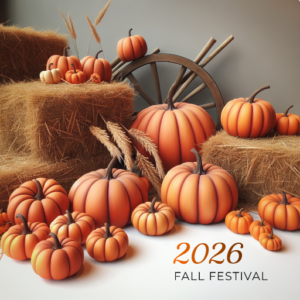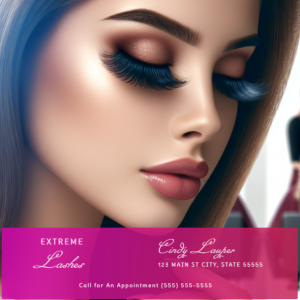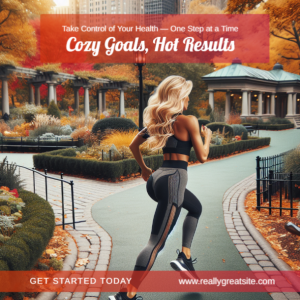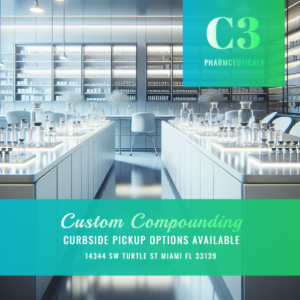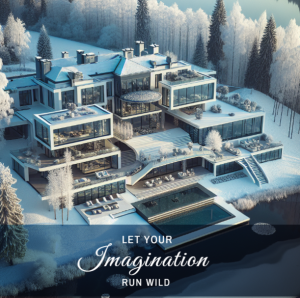


You need images for a landing page, product launch or service campaign, but there is no professional photo library to work from. Organizing a shoot may be outside the current budget or timeline, while generic stock photography makes the business look interchangeable.
This is where AI-assisted visual creation can reduce friction. The goal is not to make every image look as if it came from an expensive studio. It is to create credible, useful visuals that support a specific message without misleading the customer.
The right workflow depends on what you sell, what the image needs to communicate and how closely it must represent a real product, person or result.
First, decide what the visual needs to prove
A common mistake is starting with an image style before defining the image’s job. A polished visual can still weaken a page if it does not help the visitor understand the offer.
Most business visuals serve one of four roles:
- Show the offer: Present a real product, package, interface or deliverable.
- Explain the service: Make an intangible process or outcome easier to understand.
- Create context: Help customers imagine where, when or why they would use the offer.
- Support a promotion: Provide a campaign background or composition for a headline, date or call to action.
A home organizer might need a calm interior scene that communicates the desired outcome. A consultant may need a visual representation of planning and collaboration. An ecommerce company, however, may need an accurate image of the exact item customers will receive.
Those are different assignments. Defining the job first helps you decide whether to generate a scene, edit an existing image, use stock photography or arrange a professional shoot.
Know when AI imagery is appropriate—and when it is not
AI-generated visuals are useful when the concept matters more than documenting a specific physical detail. Examples include a campaign mood, an illustrative service scenario, a launch announcement or a website section that needs visual context.
Generation can also help teams explore an art direction before committing to a larger production. A creator can test whether a clean studio composition, colorful editorial scene or minimal abstract treatment better fits the brand.
However, generated imagery should not be used to misrepresent what a customer will receive. If color, material, fit, dimensions, condition or craftsmanship affects the buying decision, customers need accurate product photography. The same principle applies to before-and-after results, properties, staff members and client work.
Use generated visuals to communicate an idea or context. Use real photography when the image functions as evidence.
A hybrid approach is often the most practical. You can upload a real image of the product, combine it with supporting design elements, add text and build a more polished composition without inventing the item itself.
Build a one-page visual brief before creating anything
You do not need a full creative strategy document. A short brief can prevent random generation and endless revisions.
Write down the audience, offer, desired action, placement and visual tone. Then identify anything that must remain accurate. For a service promotion, that might include the service category and geographic relevance. For a product, it could include packaging, proportions or a distinctive component.
Also note what the composition needs to accommodate. A website hero may require uncluttered space beside the subject for a headline. A social post may need a central focal point. A promotional graphic might require room for a short offer and call to action.
This turns “make a nice image” into a concrete assignment such as: “Create a bright, calm workspace scene for a bookkeeping service homepage, with the subject positioned to the right and clean negative space on the left.”
A practical workflow for creating business visuals without a shoot
1. Gather the assets you already trust
Start with existing product photos, screenshots, brand colors, approved stock images and any usable photos from a phone. An imperfect real image may still contain important details that should not be replaced by generation.
Separate essential assets from optional inspiration. Your logo, real product image and interface screenshot may be essential. Lighting references and general mood images are usually optional.
2. Generate the scene or supporting concept
Describe the subject, environment, composition, lighting and mood. Include the intended placement so the output has useful negative space rather than filling every corner with visual detail.
For example, a mobile pet-grooming business could create a friendly editorial scene that suggests convenience and care. A software startup might generate an abstract background that supports a real product screenshot. A business coach could use a conceptual planning scene rather than pretending a generated person is a real client.
Elite UI’s AI Image Editor and Image Generator brings generation and editing into the same visual workflow. You can work with generated images, uploads or stock images, then add text, shapes, effects and layers before exporting the asset.
3. Build the composition in layers
Do not expect one generated image to carry the entire message. Treat the generated scene as a starting point, then use layers to create hierarchy.
A simple promotion might contain a background image, a subtle shape behind the copy, a short headline and one supporting detail. A service visual could combine an illustrative scene with a concise process label. A product announcement might use a real uploaded product image against a generated or stock background.
Keep important copy out of the generated image itself. Adding text separately gives you more control over wording, placement and readability.
4. Create channel-specific compositions
A website hero, social post and email banner should not automatically use the same composition. The subject may need to move, the copy may need to shorten and some decorative elements may need to disappear.
Preserve the central visual idea while adapting the layout to each placement. If the asset will appear on a new landing page, the AI Website Builder can support the broader website creation workflow while the image editor remains the place to develop the visual assets.
5. Run a trust and accuracy review
Before exporting, check the image as carefully as you would review sales copy:
- Does the visual represent the offer clearly?
- Could someone mistake a conceptual scene for a real product, property, employee or customer result?
- Are product details that influence the purchase accurate?
- Is added text readable against the background?
- Does the image still work at the size and placement where it will appear?
- Does it feel consistent with the rest of the brand?
AI-generated details can look convincing at first glance while becoming distracting under closer inspection. Review faces, hands, objects, reflections, repeated patterns and any element that appears structurally unusual. Regenerate, crop or replace questionable details rather than publishing them because the overall scene looks attractive.
Will AI visuals make the business look fake?
They can if they are used as false proof. A generated team photo, fabricated client result or inaccurate product rendering creates a trust problem because the image implies something factual.
The risk is lower when the visual is clearly illustrative or editorial. Abstract backgrounds, conceptual service scenes, decorative campaign artwork and context-setting images do not need to pretend they are documentary photography.
Brand consistency also matters. If every visual uses unrelated colors, lighting and styles, the business can feel less established. Reuse a defined palette, similar composition rules and a small number of visual directions instead of chasing novelty with every asset.
Can this replace professional photography or a designer?
Not in every situation. A professional shoot remains valuable when buyers need accurate product detail, when people are central to the brand or when original photography is a competitive asset. Custom design help also makes sense for complex campaigns, major rebrands and high-stakes launch systems.
Self-serve image generation and editing fit the space between having no usable visual and commissioning full custom production. They are especially practical for testing campaign directions, building launch assets, illustrating services and filling routine content gaps.
The tool does not remove the need for judgment. Someone still needs to decide what the visual communicates, whether it is accurate and whether it supports the next customer action.
Is an AI image editor a fit for your situation?
It is likely a useful fit if you regularly need campaign graphics, website imagery or service illustrations but do not want every asset to require a separate handoff. It also suits creators and small teams that want to combine generation, uploads, stock imagery and common design elements in one workflow.
Consider professional photography first if the image must prove the exact appearance of a physical item, location, employee or completed result. Consider custom design support if you need an original visual system across many complex touchpoints rather than a focused set of everyday assets.
If your main obstacle is a blank canvas, a limited photo library or the effort of moving between generation and editing tools, start with one real business need. Choose a homepage section, promotion or launch graphic, define the visual’s job and build one accurate composition before expanding it across channels.
Turn the missing photo shoot into a focused visual workflow
Not having professional photography does not mean you should publish generic or misleading imagery. Separate evidence from illustration, protect the details customers rely on and use generation where it adds context rather than inventing proof.
When you are ready to turn a clear visual brief into a usable business asset, open the editor and Create an AI Image.
Ready to Turn This Into a Faster Workflow?
Try AI Image Editor & Image Generator inside Elite UI and move from research into a real business-ready result.
Product features, pricing, plan details and availability may change. Check the current Elite UI product page for the latest information before purchasing or publishing.